


As the nation reflects on 250 years of United States history, Seeds of Resilience: Barrio Americano invites visitors to consider the many communities whose contributions have shaped the country, even when they have not always been fully recognized. The exhibition explores the histories of Mexican American communities in the region and the ways they built home, culture, and community in the early 1900s.
Following the Mexican American War and the Treaty of Guadalupe Hidalgo, Mexicanos remained closely tied to this region while navigating unequal access to rights and opportunities. Barrios emerged as places of collective care, resilience, and resistance. Through installations reflecting an early twentieth-century barrio, Seeds of Resilience: Barrio Americano examines how everyday spaces supported community, cultural preservation, and asserted dignity amid discrimination.

Sonora Town, ca. 1880. The first barrio established in Southern California was located near the Temple Block (the commercial hub of Rancho Los Cerritos owner, John Temple). Discriminatory practices led to ethnic enclaves as Mexican immigrants sought community and familiarity among their fellow countrymen.
Courtesy of University of Southern California Libraries and California Historical Society
Visitors encounter familiar settings such as the neighborhood, the home, and sites of organizing and care. Together, these spaces highlight the contributions of Mexican Americans while illustrating how community networks, labor, and family life sustained people in the country they helped build and call home. The exhibition encourages visitors to reflect on what it has meant, and continues to mean, to seek belonging in the United States.
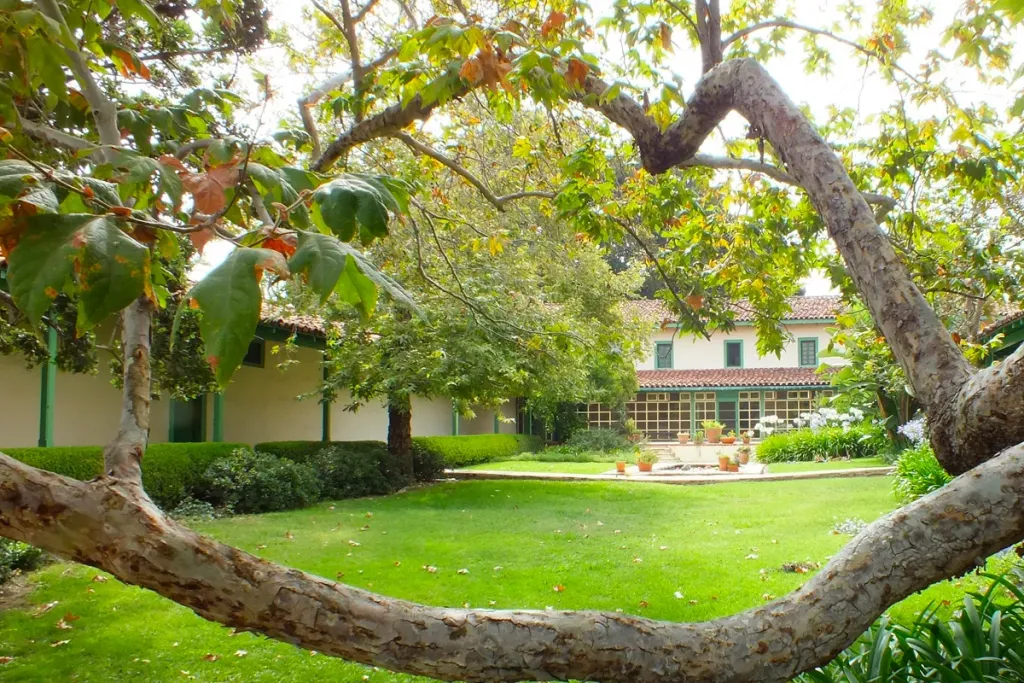
This exhibition is part of Rancho Los Cerritos’ commitment to share histories that reflect the communities of Long Beach while fostering learning, dialogue, and connection across generations. It also contributes to a citywide reflection on the 250th anniversary of the Declaration of Independence, alongside future Seeds of Resilience exhibitions by partner institutions that will further explore the region’s histories.